
Notes on Remote Places

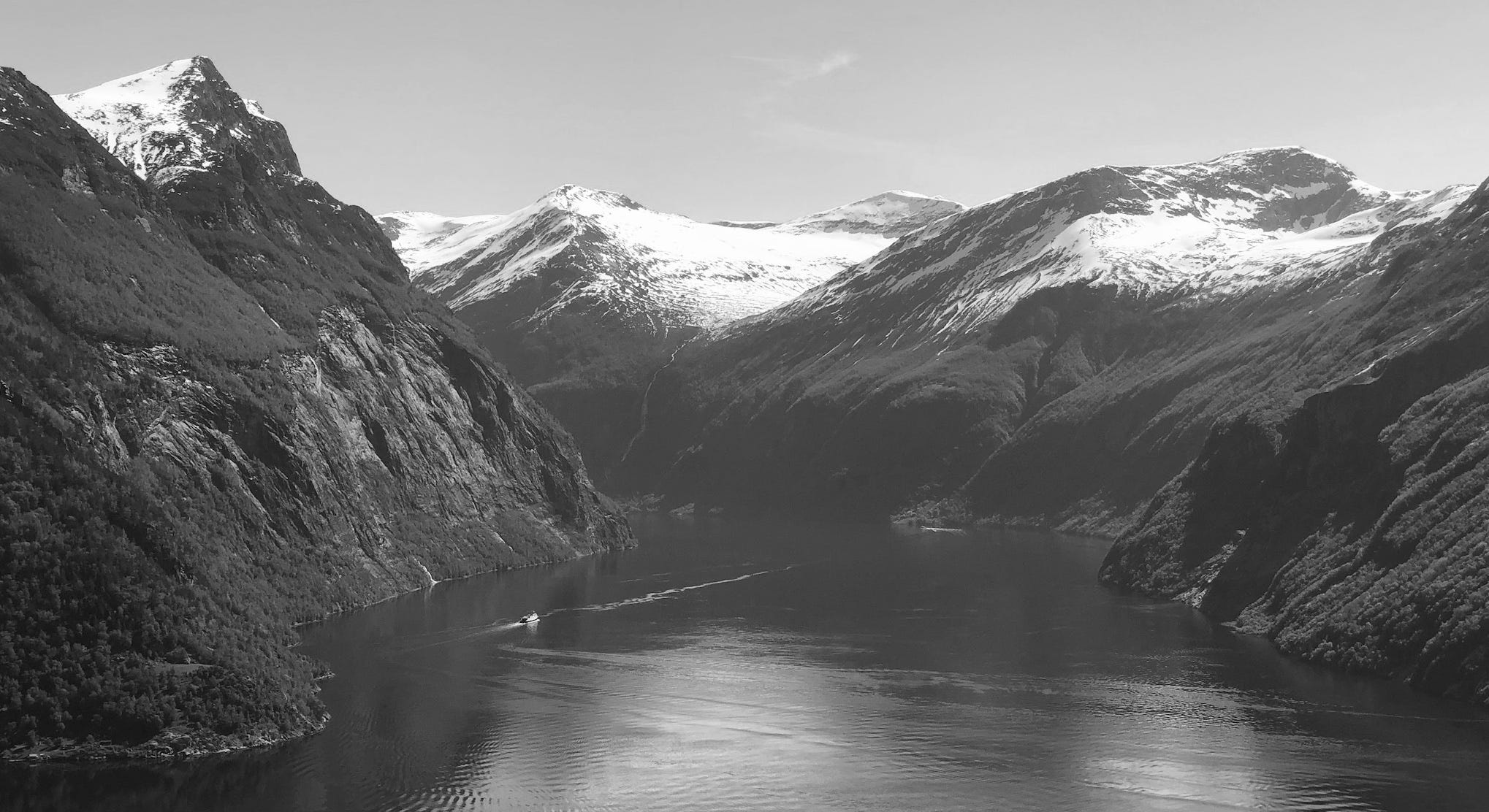
I’ve always thought I would retire in New Zealand. I haven’t been there yet, but somehow, I know it’s my kind of place. It would be me, in a house in the middle of a remote forest, with only my thoughts, my books, the love of my life, and a dog. In this fantasy I also somehow own a coffeeshop that is attached to said house and that I run only in the very early hours of the morning and the very late hours of the night (arguably the best times of any day). There’s endless coffee, old comfy furniture, no Wi-Fi, and never any customers to disrupt my vibe in this idyllic scene (I like people, I swear…).
As we near the end of the pandemic and the isolation that came with it, I’ve been running into more and more articles speculating about the permanent impact of this time. Will we stop shaking hands? Will we flee cities in search of a calmer, more secluded lifestyle? I doubt cities will ever really die. In fact, I bet after more than a year of quarantines, they’ll thrive. At this point even I have surprised myself with sudden urges to go out… clubbing. Needless to say, there’s also a greater appreciation for nature and the crucial role its played in preserving our wellbeing and sanity. At one point or another this past year, we’ve all sought refuge and safety in the great outdoors. But was nature drawing us all in even before the pandemic?
I don’t know the point of inflection, but I first noticed the change in the kind of places that were marketed to tourists. Glacial waterfalls in Iceland, cenotes in Yucatán, the peaks of Patagonia — places that have always been top of mind for me and my more adventurous pals were suddenly on the cover of Travel + Leisure. Adventures in nature were now hip and mainstream and everyone wanted to travel further — the more remote the better. I thought back to my retirement plan and panicked — would the forest be crowded and developed by the time I got there?
My silly retirement concerns aside, it was awesome that remote places were finally centerfold. The main draw, magazine articles proposed, was the opportunity to tread where no one, or only a few, had ever tread before. As if we need the promise of exclusivity to be entertained by a quiet landscape or find interest in the unchanged. It does take a certain kind of person to want to make the journey to these places, but I can’t fathom anyone not feeling awed by the beauty of nature’s landscapes, or humbled by their scale. Remote places are not defined by their distance from the next center of civilization but by their ancientness — they are as close to how they “were” as one can get in this world.
More than the beauty of these places, it’s that feeling of timelessness that keeps me hooked. Gazing at ancient landscapes is the only time we are reminded of our own mortality and it doesn’t feel scary. Somehow at the face of something so long-lasting, something terminal — our lives — feels romantic, promising, and exciting. Sometimes, when I’m walking in the woods and lean my hand against a tree, I think of how, many years from now, when I’m long gone the hand of someone that doesn’t exist yet will lean against that same tree. It’s a morbid thought, but nature will (should) outlive us all. There’s a kind of peace to be found in that permanence; in knowing that no matter what, that snow will continue gracing that mountaintop for decades to come. It’s our responsibility to respect the sanctity of these places and preserve them so that others may enjoy their magic.
Places like New Zealand are often described as magnificent old age homes, but why leave it until then to enjoy the magic of these places? I always found it funny that anyone would think young people wouldn’t like to live surrounded by nature. Remote places don’t have the overt flurry of activity and constant excitement that cities have, but they do possess a self-assuredness with an undercurrent of transformation; an ability to evolve without losing their essence. I want to be enveloped in that calming and uplifting feeling, as often as possible, for as long as possible. It will be exciting to see not if, but where most people choose to travel first after this pandemic. If the crowded music festivals in the Netherlands will win over solitary treks across majestic fjords in Norway. In my mind, I’m already racing across the Mongolian steppes.